



Introduction
In 2026, the "office" is no longer just a physical location—it is a dynamic resource that must be managed with precision. For Centre Heads, Facility Managers, and HR Leaders, the challenge has shifted from simply filling desks to optimizing every square foot for productivity and employee experience.
Choosing the right workplace management software is the difference between a chaotic floor plan and a seamless, data-driven environment.
What is Workplace Management Software?
At its core, workplace management software is an integrated platform used to schedule, track, and optimize a company’s physical and digital work environment. It bridges the gap between Real Estate (CRE), Facilities, and Human Resources by providing a single source of truth for how space is used.
Why B2B Leaders are Prioritizing Workplace Tech
The role of the workplace has evolved. Whether you are an IT Head securing the network for hybrid users or a Community Manager for fostering collaboration, the stakes are high.
1. Cost Optimization for Facility Heads
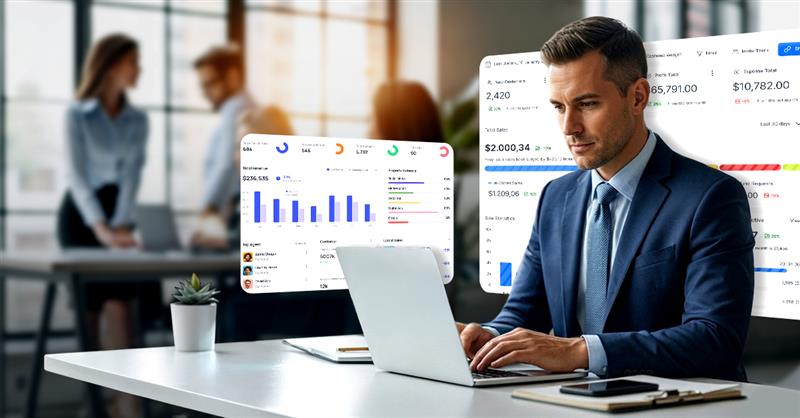
Real estate is often a company’s second-largest expense. Modern software uses IoT sensors and heatmaps to show you exactly which zones are underutilized, allowing you to downsize or repurpose space.
2. Employee Experience for HR & Admin
Frictionless "hot-desking" and easy room reservations reduce morning stress for employees. When tech works, culture thrives.
3. Security & Compliance for IT Heads
From visitor management to GDPR-compliant data tracking, workplace software ensures that only authorized personnel are on-site while maintaining digital privacy.
Key Features to Look For in 2026
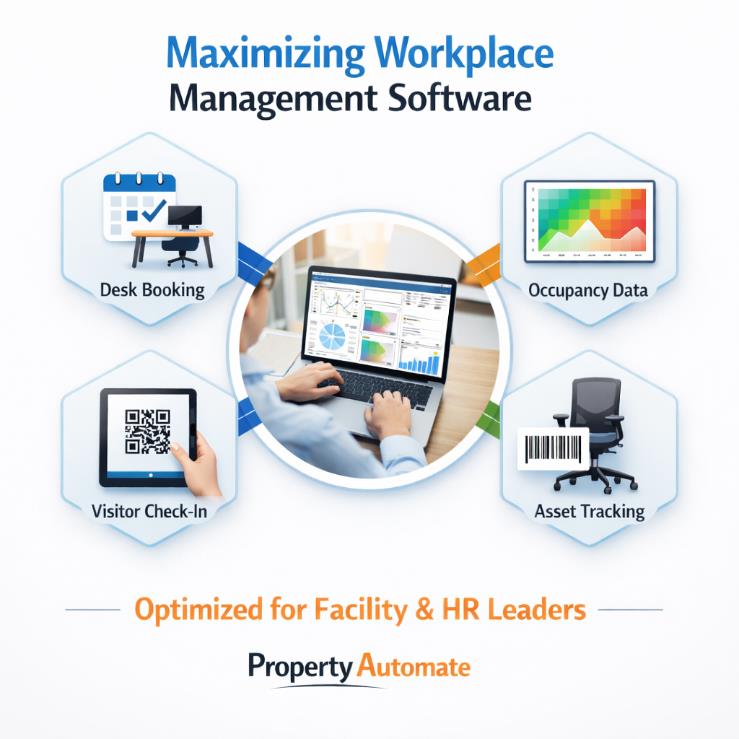
When evaluating vendors, look beyond simple booking. High-performing workplace management software should offer:
Smart Desk & Room Booking
Integrated with Outlook and Google Calendar, allowing employees to see where their "work neighbors" are sitting to encourage spontaneous collaboration.
Real-Time Occupancy Analytics
Data-driven insights that help Property Managers predict peak days (usually Tuesdays-Thursdays) and adjust HVAC or cleaning schedules accordingly.
Visitor Management Systems
A digital reception experience that notifies hosts upon guest arrival and automates NDA signings.
Asset & Maintenance Tracking
For Admin Heads, tracking hardware, furniture, and facility repairs in the same dashboard prevents operational bottlenecks.
Implementing Workplace Software: A Checklist for Success
To ensure a high ROI, follow these steps during your rollout:
- Audit Current Usage: Use manual counts or sensor data to establish a baseline.
- Define Stakeholder Needs: IT needs security; HR needs ease of use; Finance needs reports.
- Prioritize Integrations: Ensure the software talks to your existing Slack, Teams, or HRIS (like Workday or BambooHR).
- Pilot a Single Floor: Test the user interface with a small group before a global rollout.
The Future of the Office: AI and Beyond
We are moving toward Predictive Workplace Management. Future systems won't just tell you the office is full; they will suggest opening an extra floor or adjusting the cafeteria order based on the weather and historical attendance patterns.
FAQs: Expert Insights
What is the ROI of workplace management software?
A: Businesses typically see ROI through a 15-30% reduction in wasted real estate costs and a significant decrease in administrative hours spent on manual scheduling and facility maintenance.
How does workplace management software support hybrid work?
A: It provides "Neighborhood" booking, allowing teams to coordinate office days together. It also ensures that remote employees can see real-time availability before making the commute.
Is workplace management software secure for enterprise use?
A: Top-tier B2B solutions offer ISO 27001 certification, SOC2 compliance, and Single Sign-On (SSO) integration to ensure employee data and physical access remain secure.
Can it integrate with existing Building Management Systems (BMS)?
A: Yes, advanced platforms use APIs to connect with HVAC and lighting systems, enabling "Smart Buildings" that save energy when rooms are unoccupied.
Who is the primary user of this software?
A: While employees use the booking interface, the primary "power users" are Facility Managers, HR Heads, and IT Admins who use the backend data to drive corporate strategy.